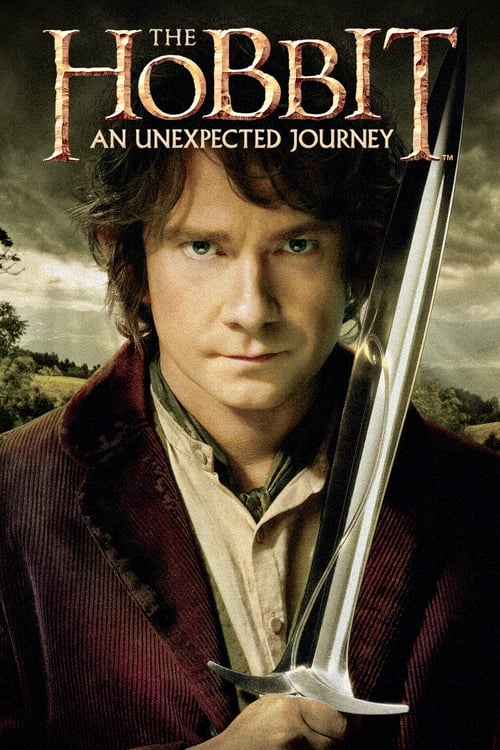
The Hobbit: An Unexpected Journey
December 14, 2012 in theaters
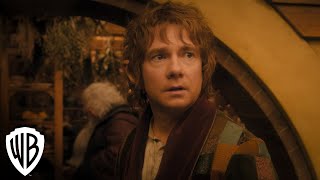
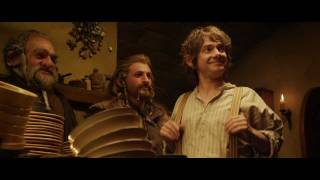
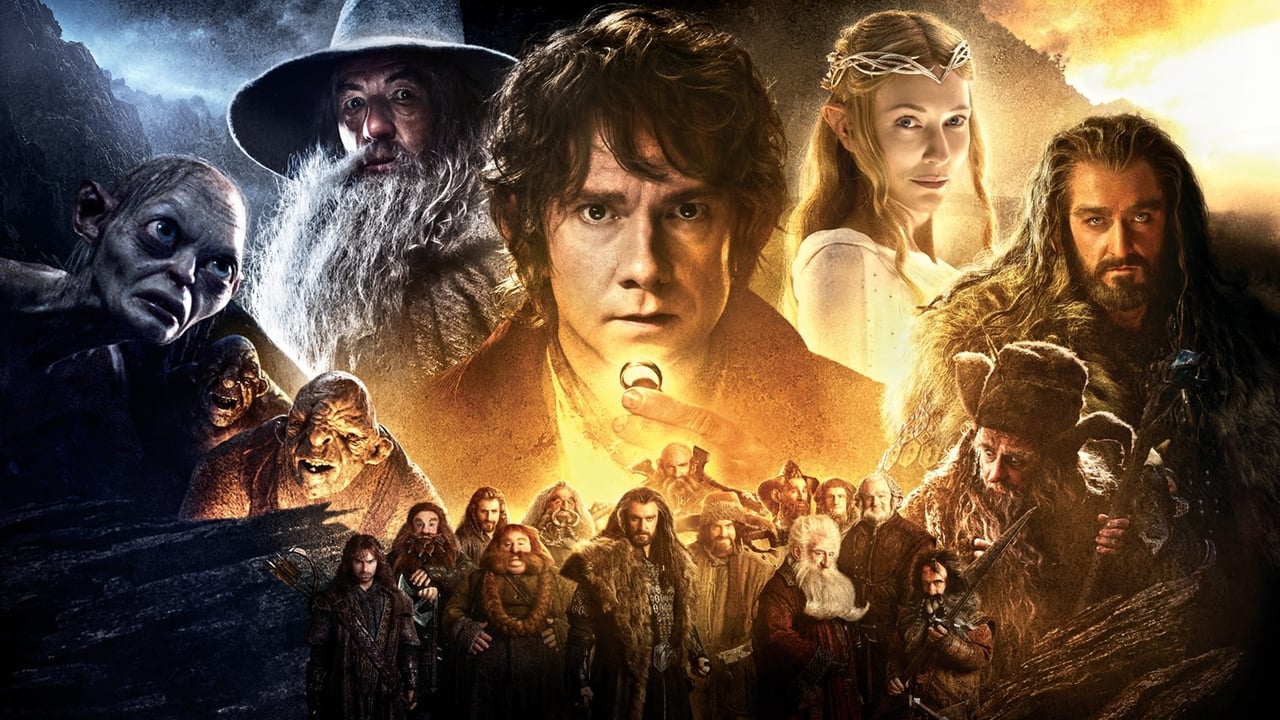
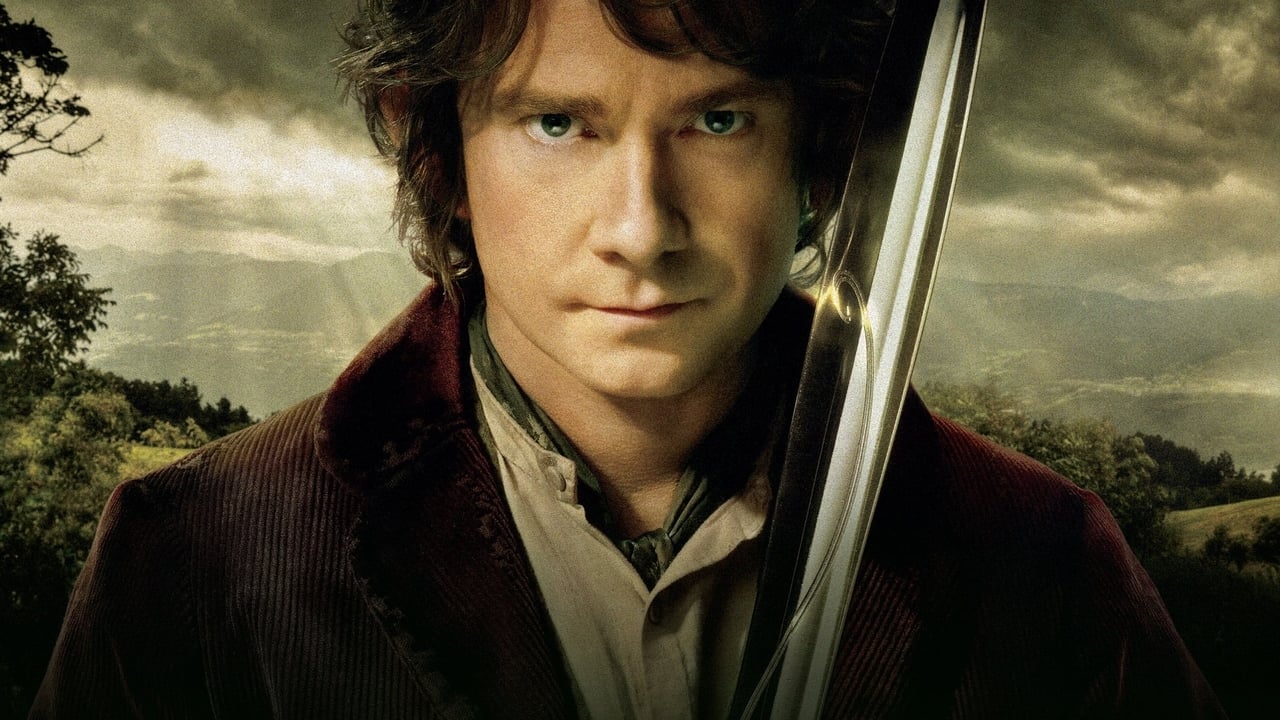
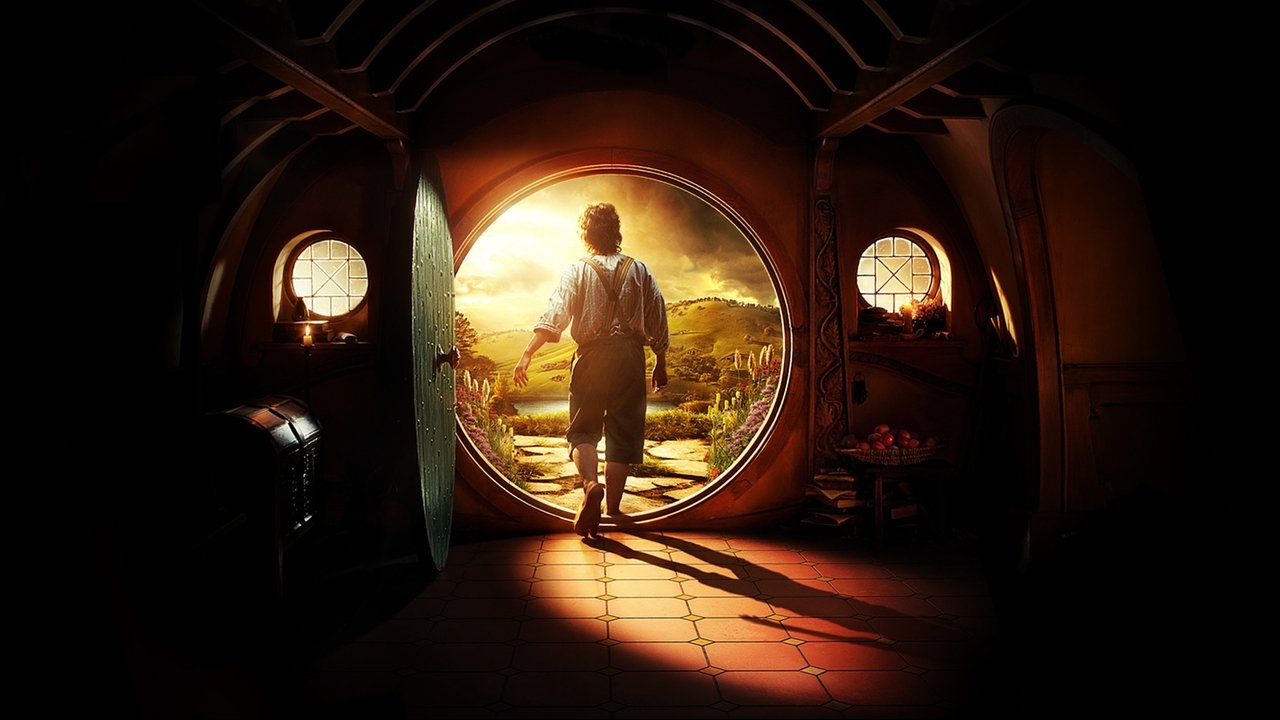
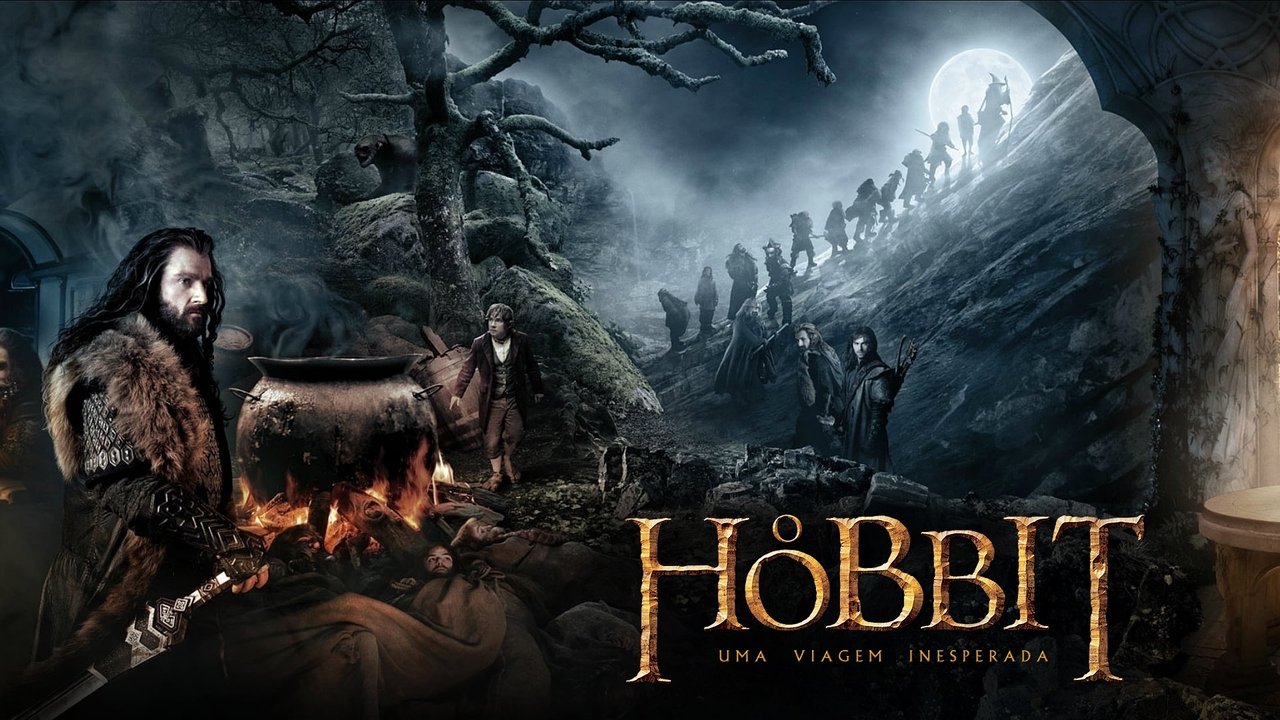
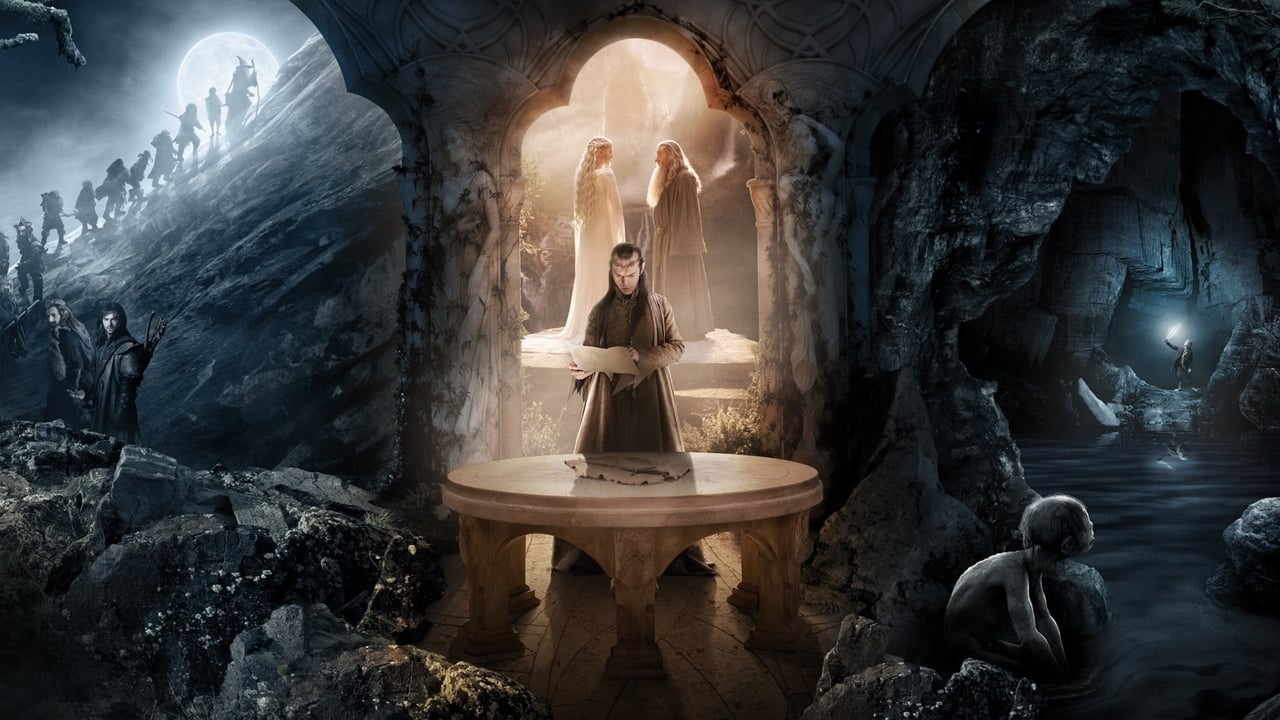
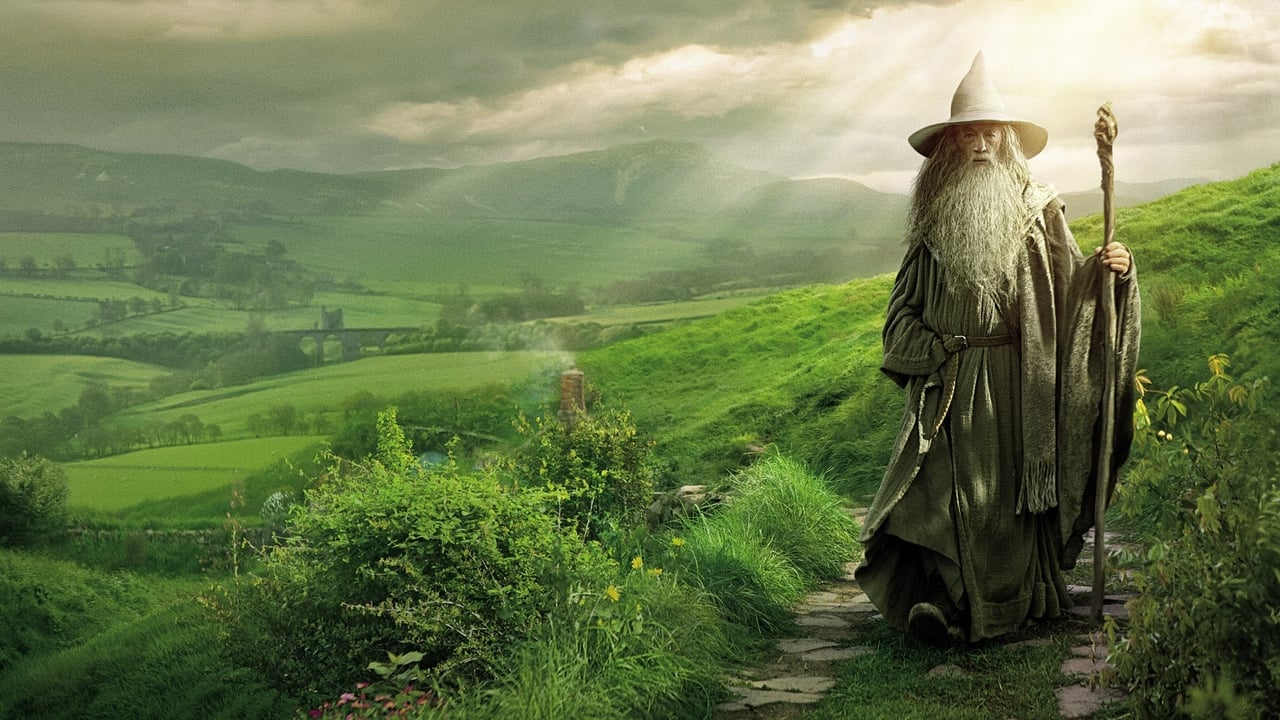
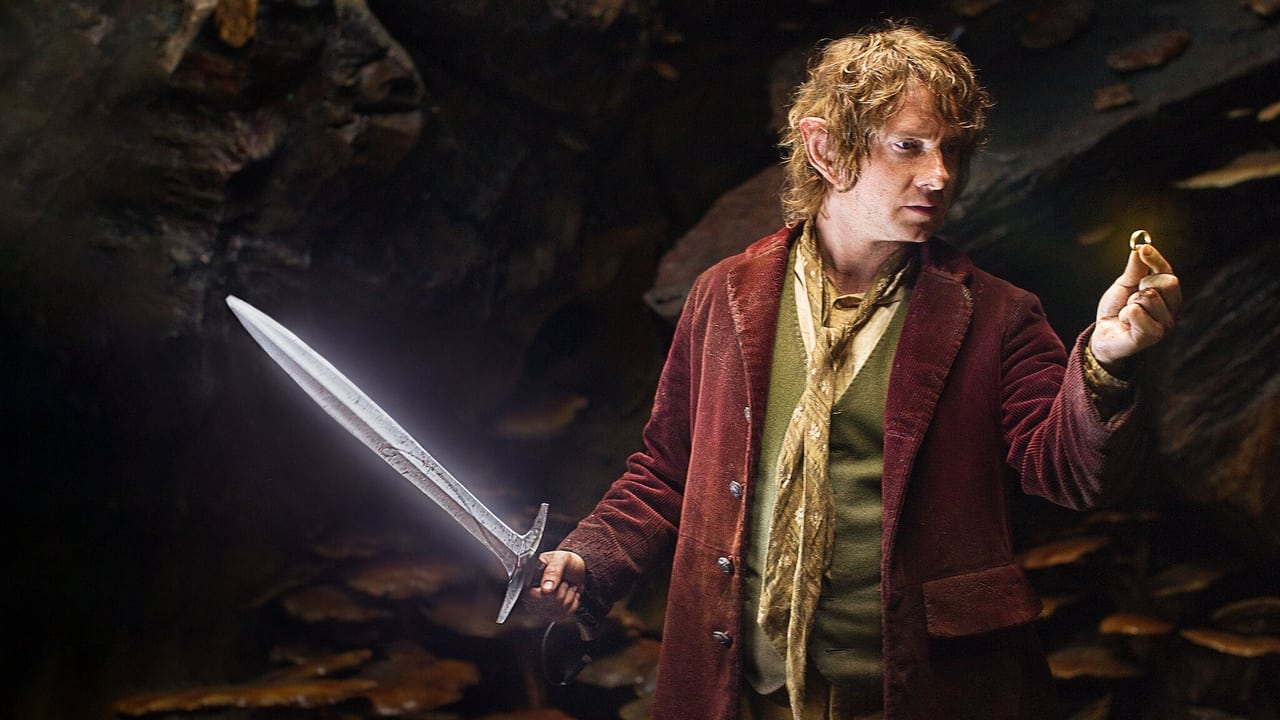
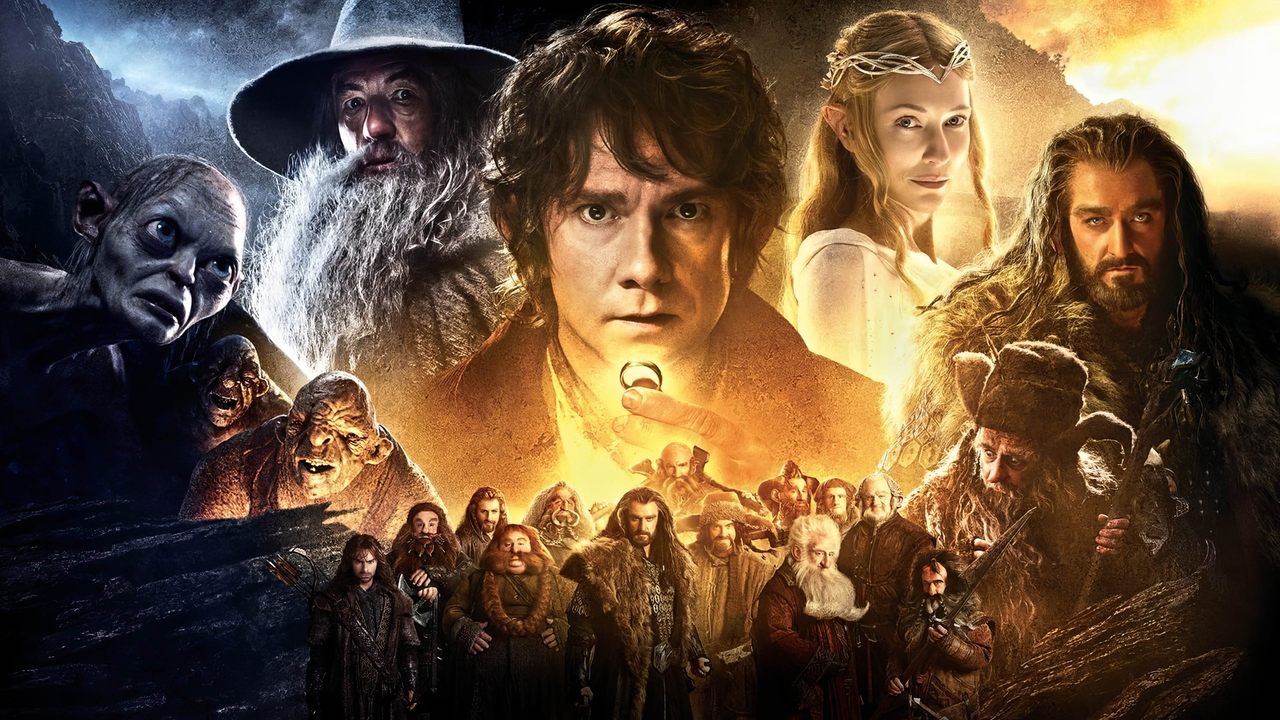
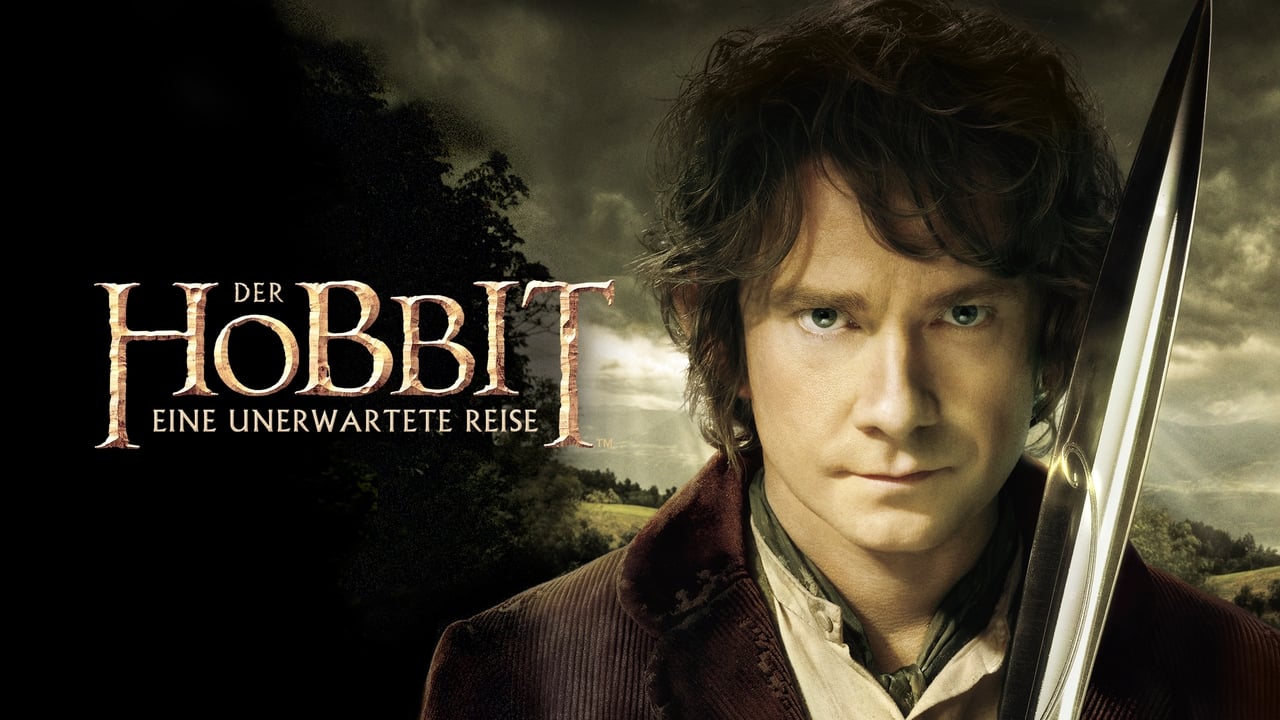
Bilbo Baggins is swept out of his quiet hobbit-hole by the wizard Gandalf and a company of thirteen dwarves on a quest to reclaim the mountain kingdom of Erebor from the dragon Smaug. Peter Jackson's first Hobbit film establishes a lighter, more adventurous tone than The Lord of the Rings and lays the groundwork for the treasure and the danger that comes with it.
Cast

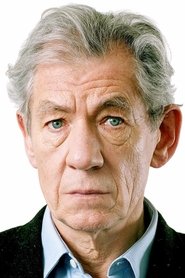


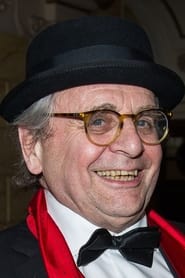
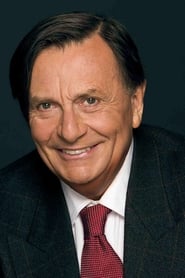
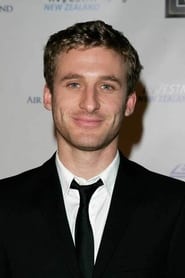
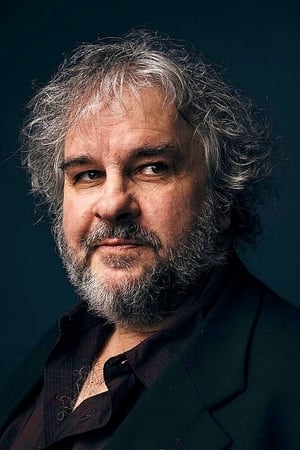
Director
TRAILER
QUOTE
"I'm going on an adventure!"
-- Bilbo Baggins
DID YOU KNOW?
The Hobbit was filmed at 48 frames per second -- double the standard 24fps -- a controversial experiment.
THE VERDICT
Synthesized from published reviews
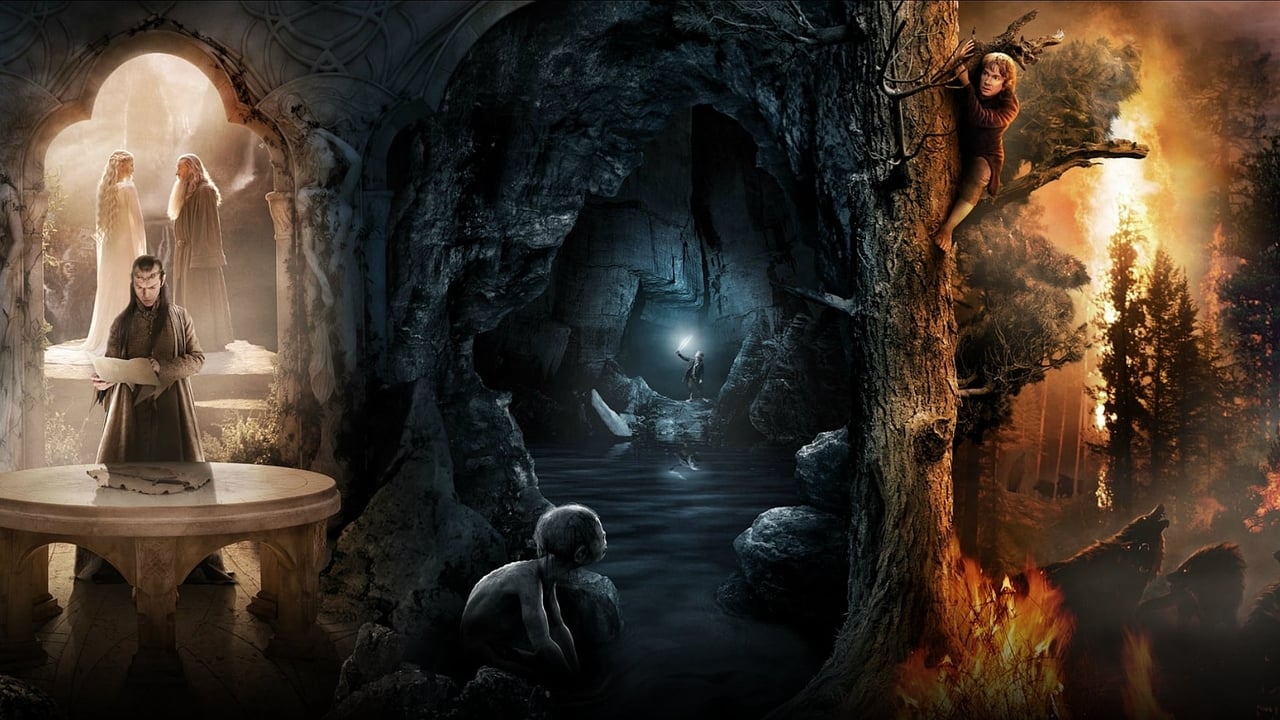
Jackson's return to Middle-earth is a lighter, more leisurely story that loses some urgency in the transition from the trilogy's epic register to a smaller-scale adventure. The decision to expand a single novel into three films is visible in the pacing, and the 48fps high-frame-rate presentation divided audiences immediately. What works — Martin Freeman's Bilbo, the Riddles in the Dark sequence, the Misty Mountains prologue — works well; what does not is a matter of franchise inflation.
PLACE IN THE UNIVERSE
Where this fits in the larger story
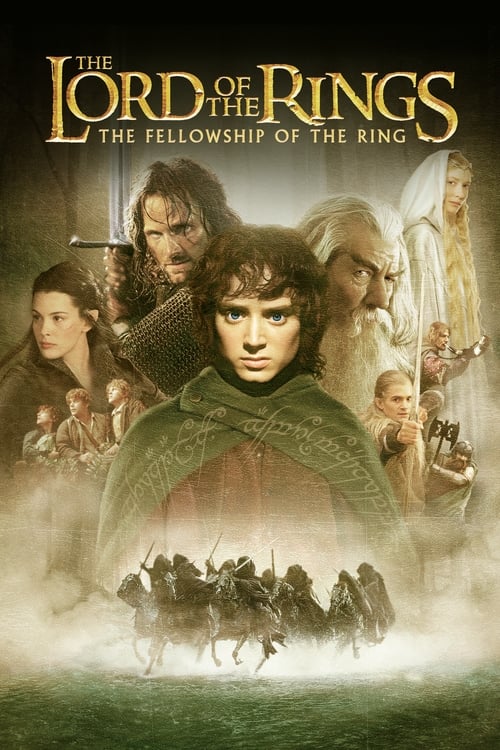
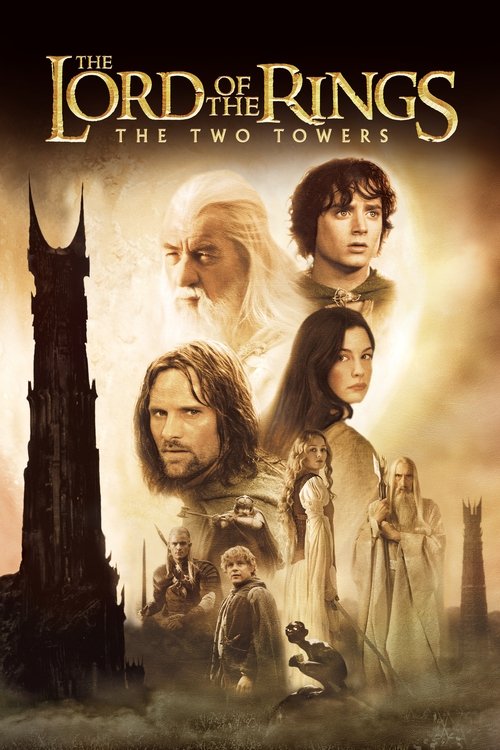
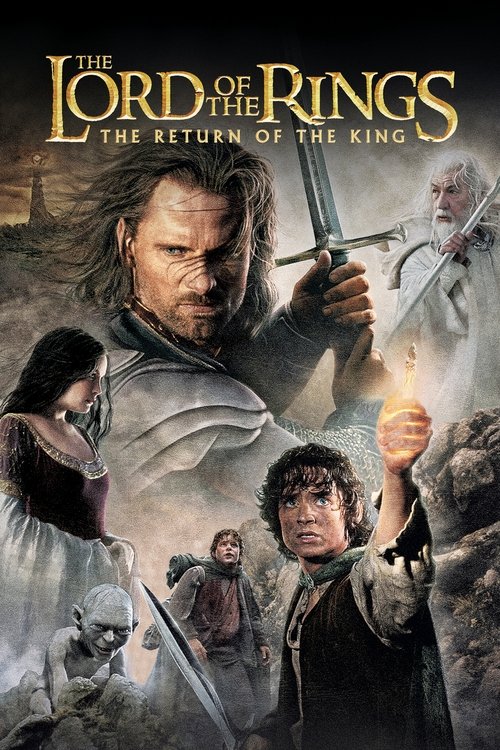
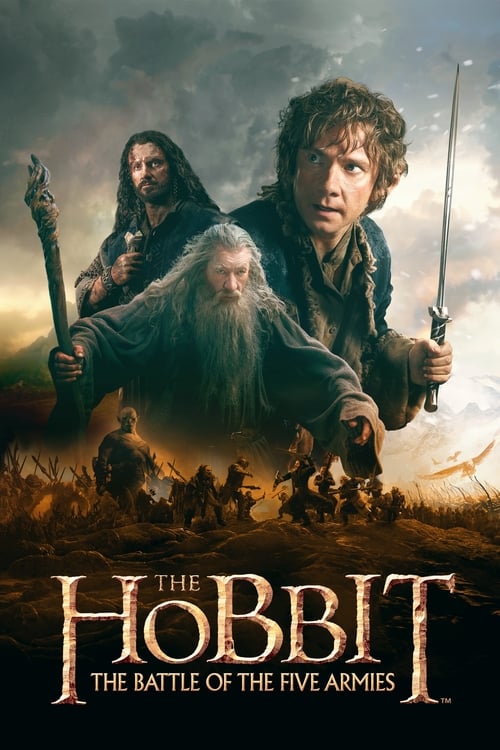

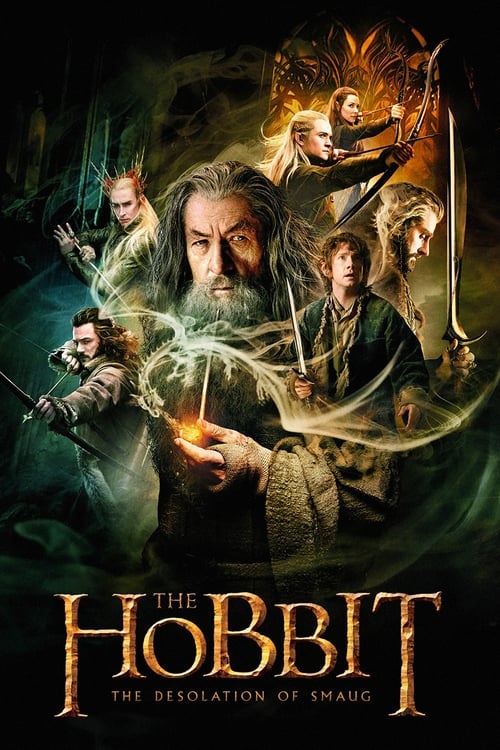
An Unexpected Journey opens The Hobbit trilogy decades before The Lord of the Rings, sending Bilbo Baggins from the Shire toward Erebor with Gandalf and Thorin's company. It connects the quiet world of hobbits with dwarven history, dragon-haunted treasure, and the first steps toward Bilbo's encounter with the Ring. Its placement helps viewers understand how a personal adventure quietly feeds the larger story of Middle-earth.
GALLERY
VIDEOS