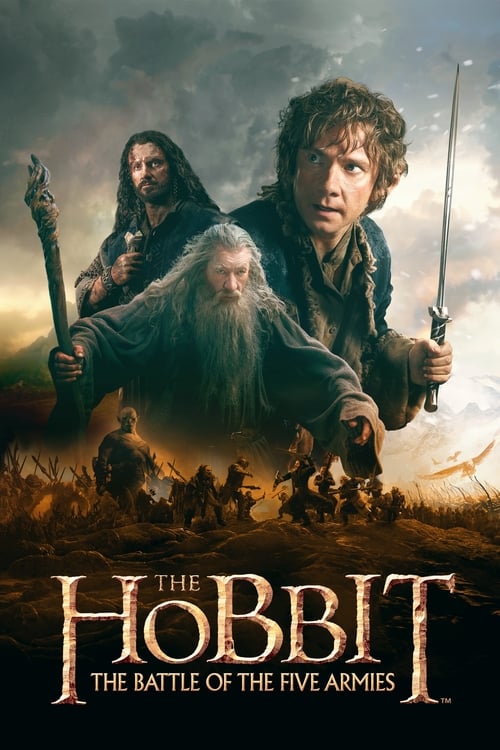
The Hobbit: The Battle of the Five Armies
December 17, 2014 in theaters
May 27, 2020 on Max
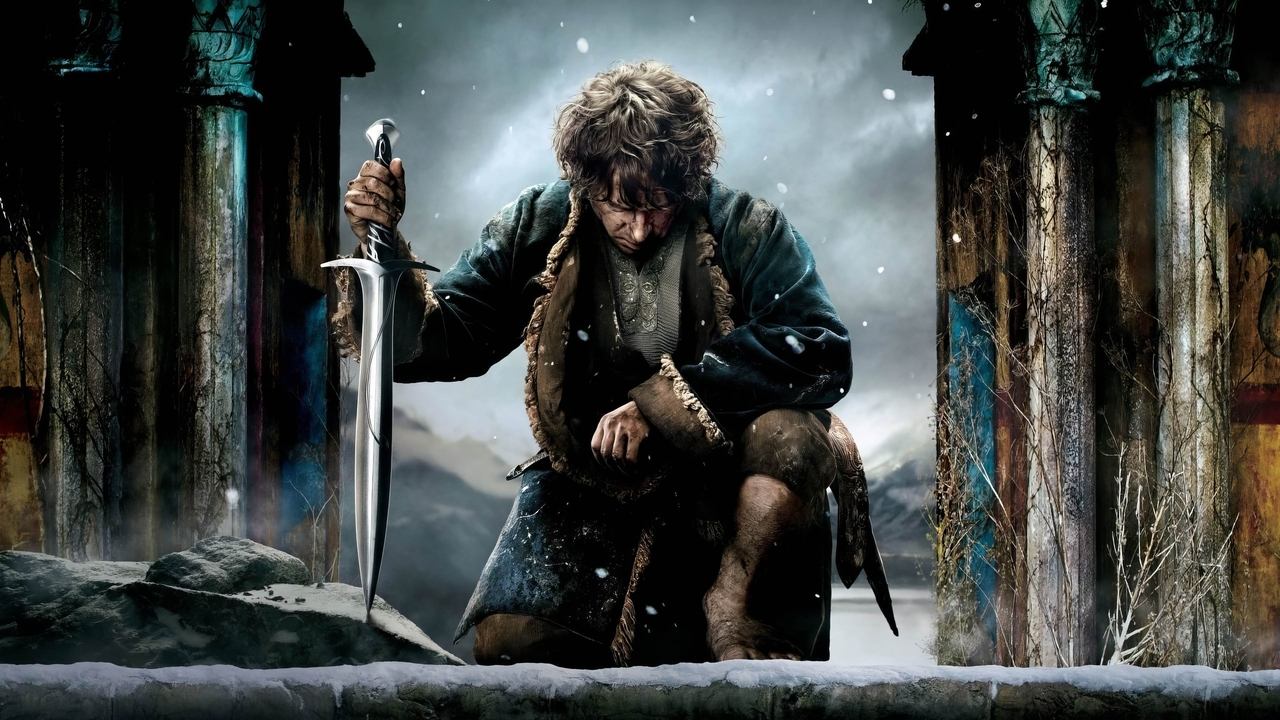
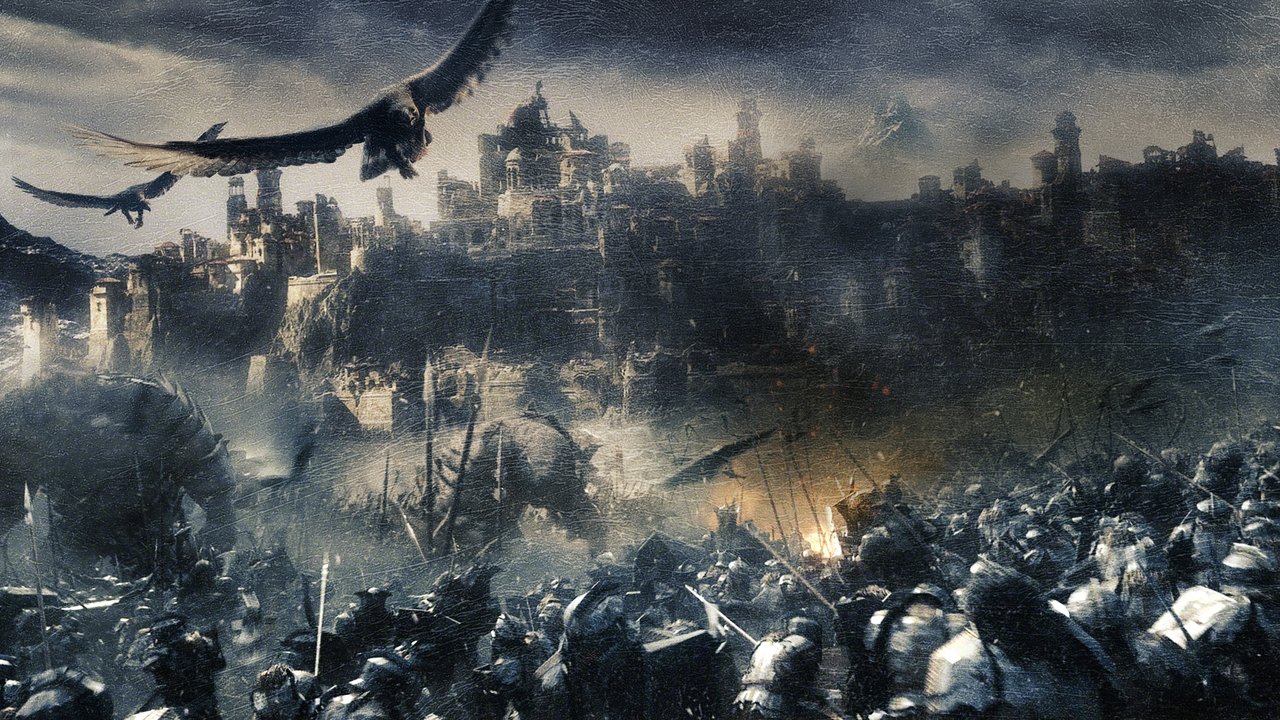
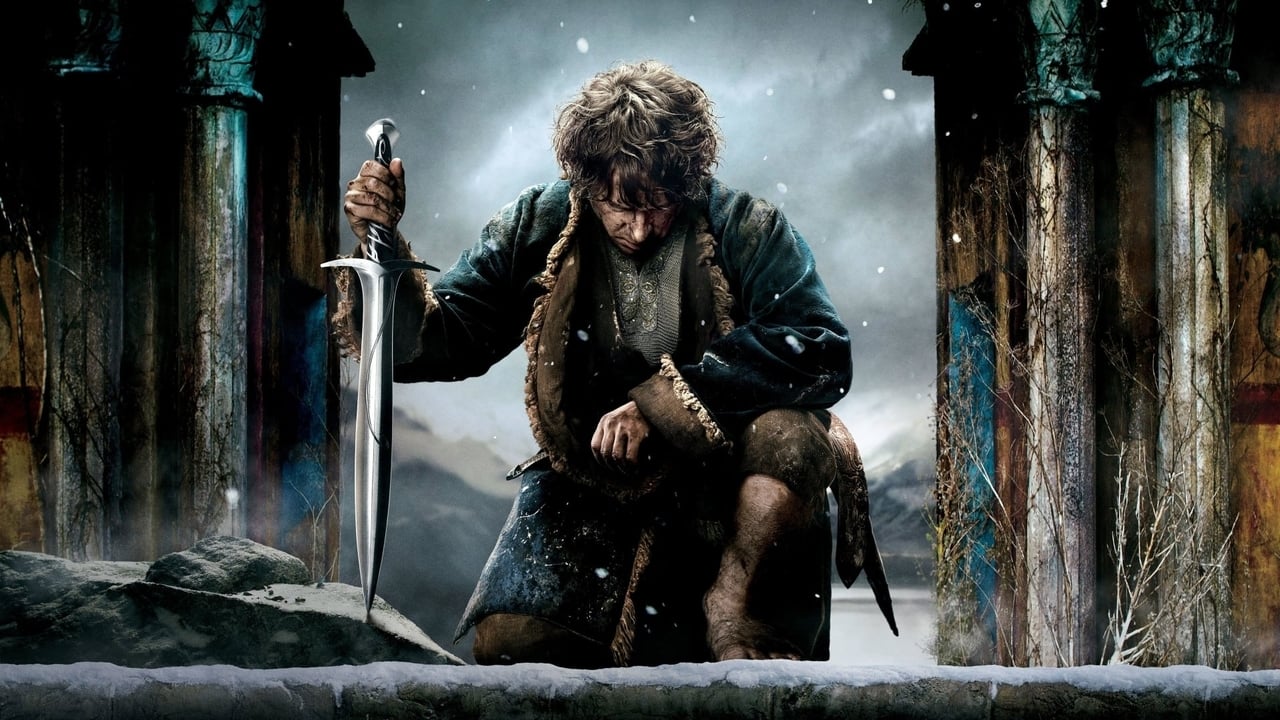
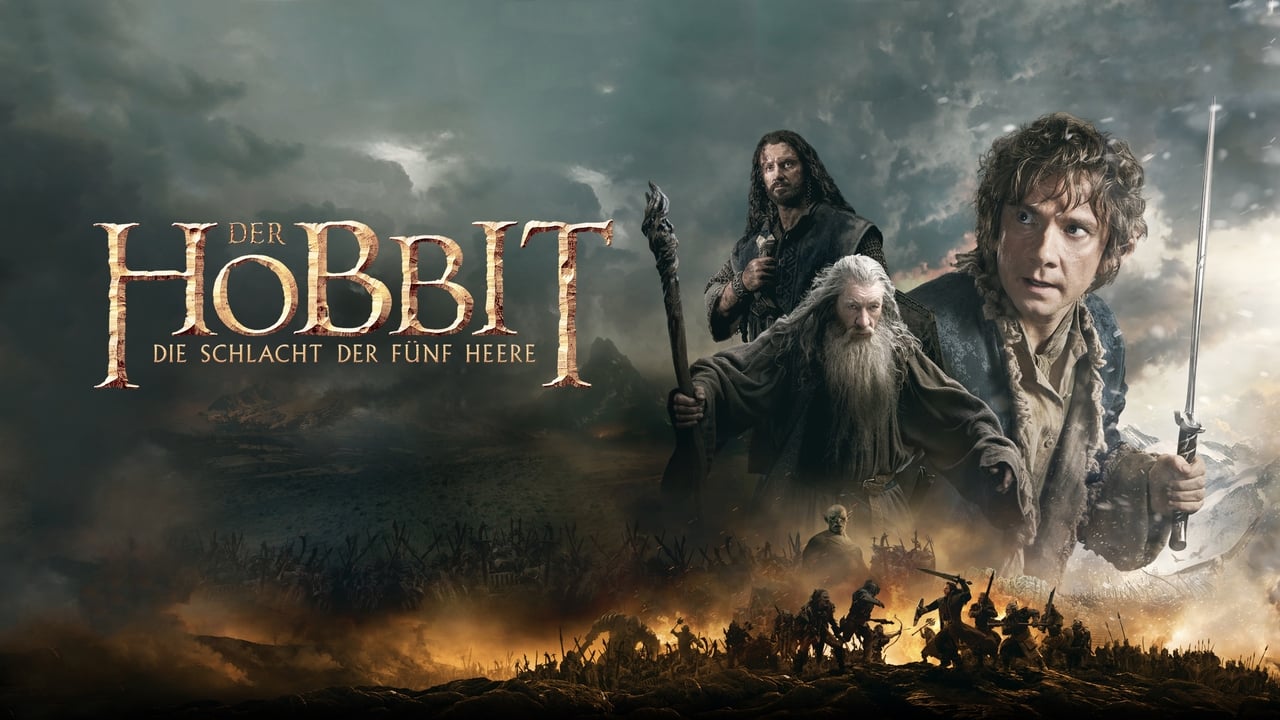
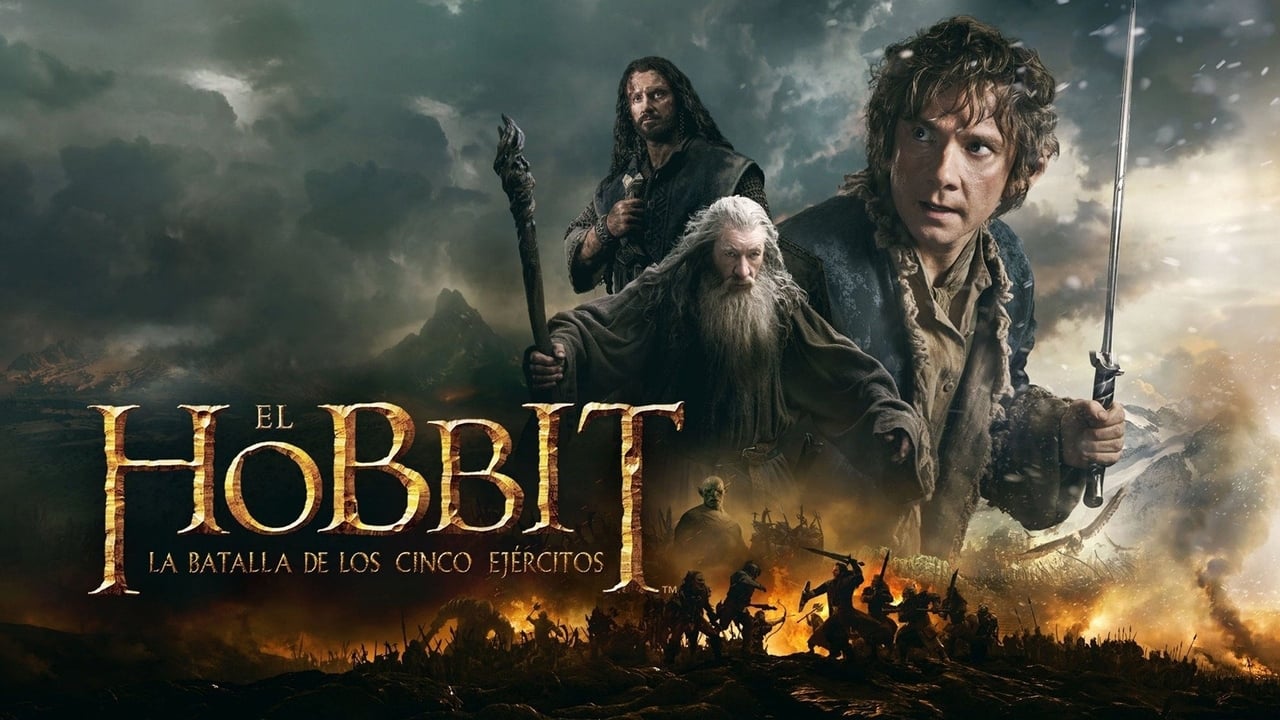
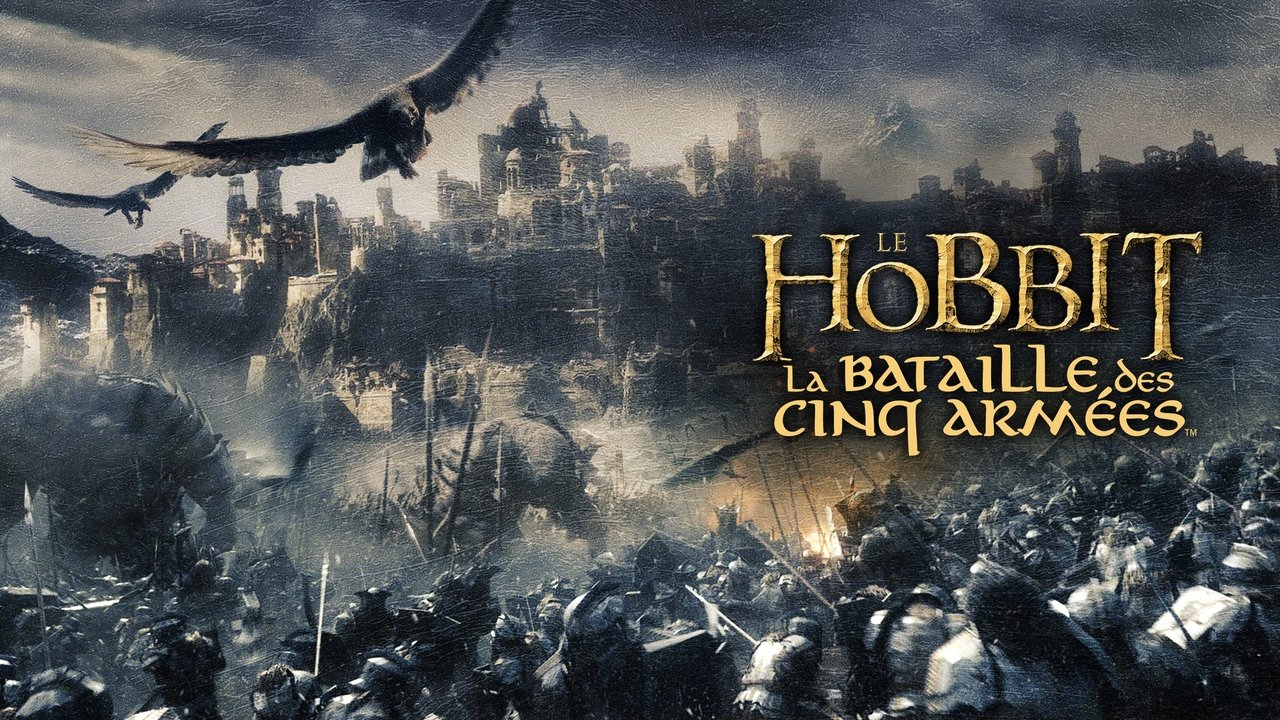
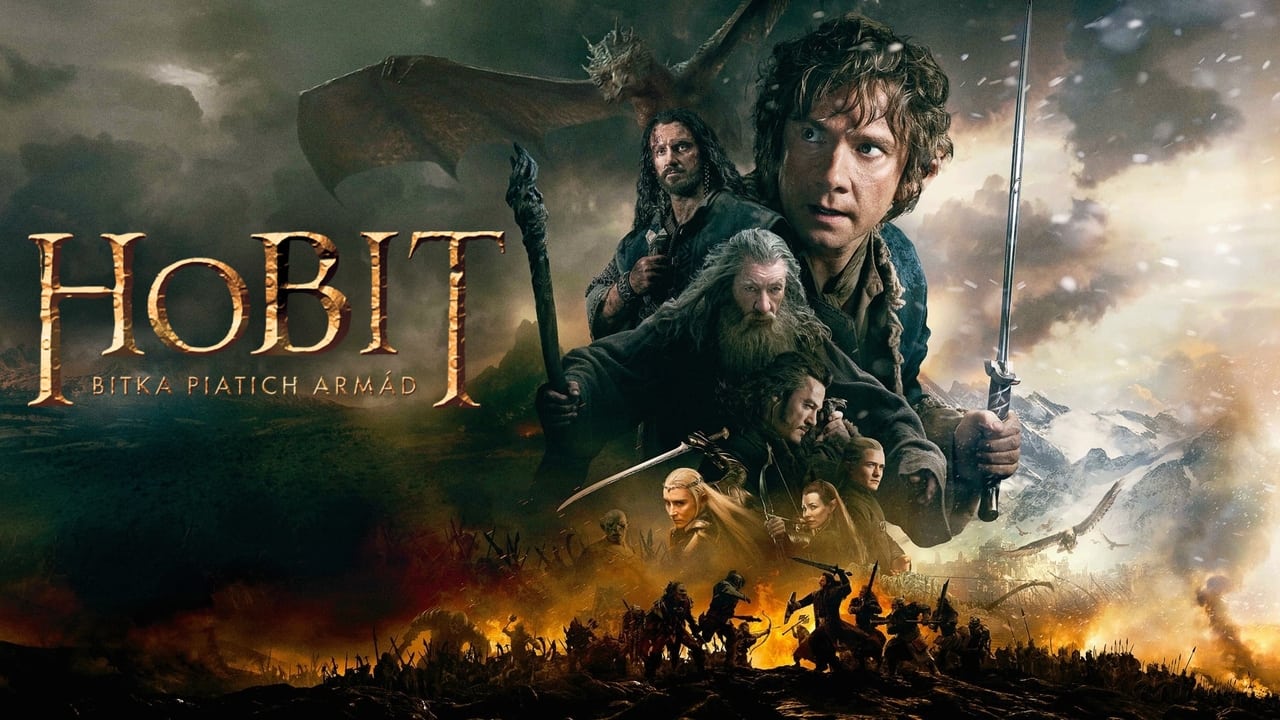
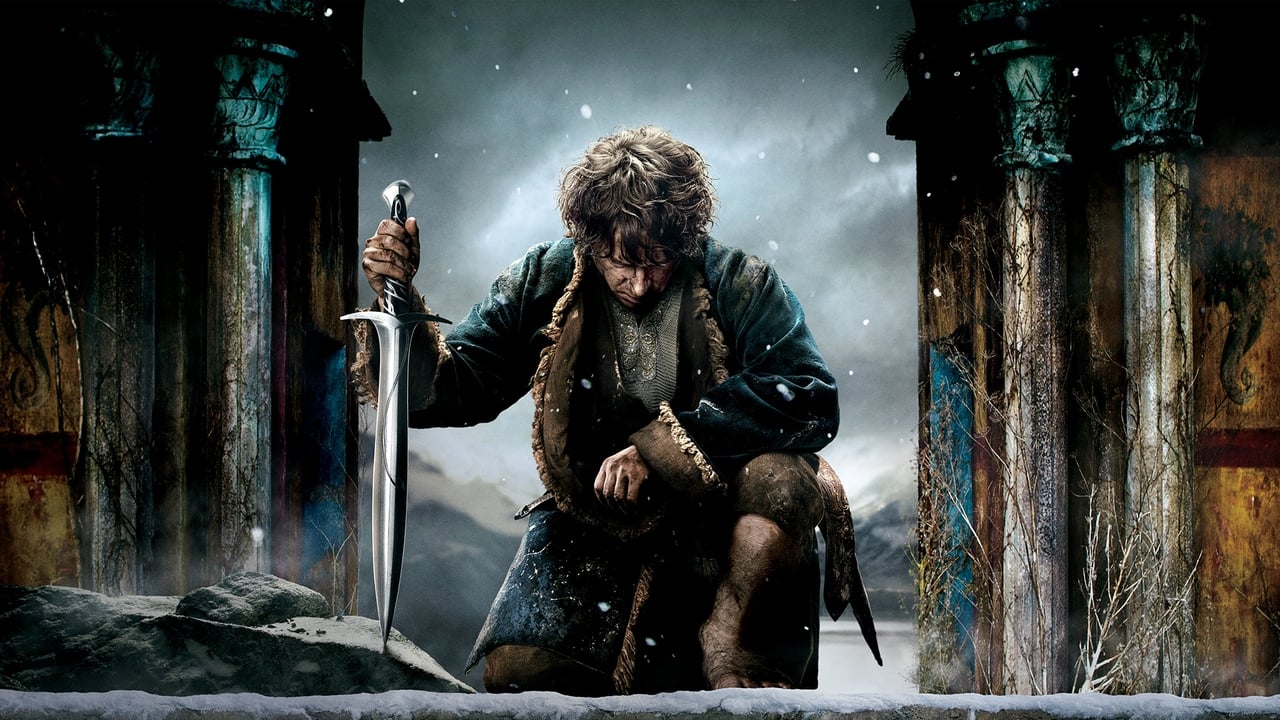
Following Smaug's attack on Laketown, Bilbo and the dwarves try to defend Erebor's mountain of treasure from others who claim it: the men of the ruined Laketown and the elves of Mirkwood. Meanwhile an army of Orcs led by Azog the Defiler is marching on Erebor, fueled by the rise of the dark lord Sauron. Dwarves, elves and men must unite, and the hope for Middle-Earth falls into Bilbo's hands.
Cast






Director
TRAILER
QUOTE
"If more of us valued food and cheer and song above hoarded gold, it would be a merrier world."
-- Thorin Oakenshield
DID YOU KNOW?
The theatrical cut runs 144 minutes -- the shortest of all six Tolkien films by Peter Jackson.
THE VERDICT
Synthesized from published reviews
The trilogy's conclusion is the most compromised entry — the stretched source material runs out entirely, leaving the film dependent on action sequences that feel designed to fill runtime rather than advance character. Thorin's arc reaches its thematic destination, and the final battle has moments of genuine visual invention, but the emotional payoff is diluted by the padding that precedes it. As a trilogy coda it is adequate; measured against the films that preceded it, it registers as a disappointment.
PLACE IN THE UNIVERSE
Where this fits in the larger story
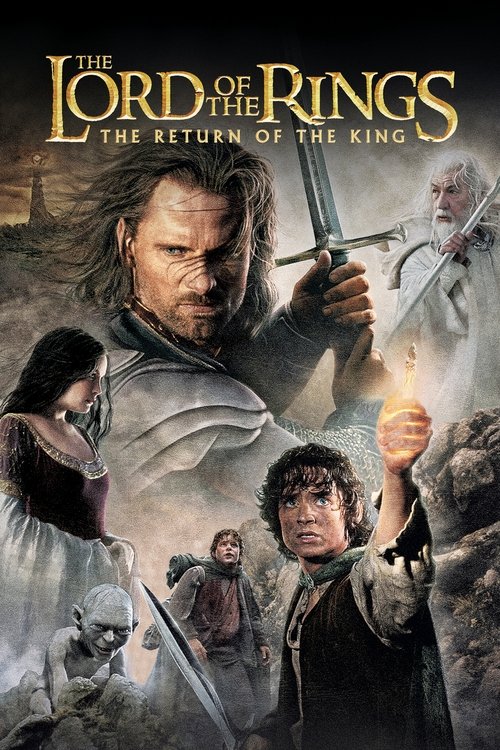
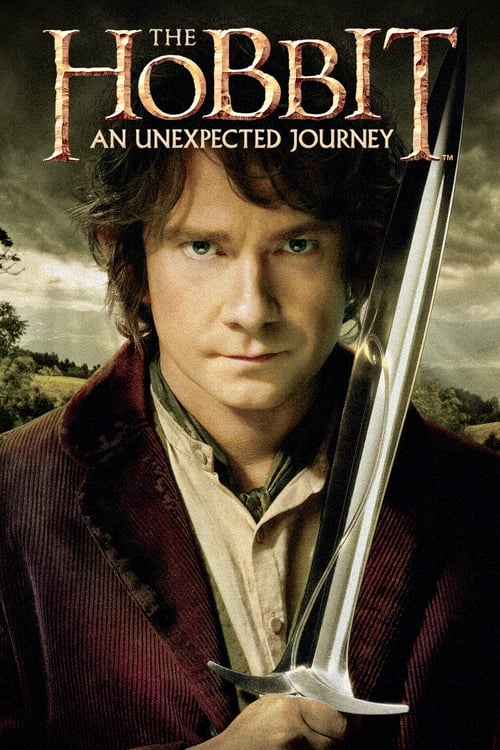
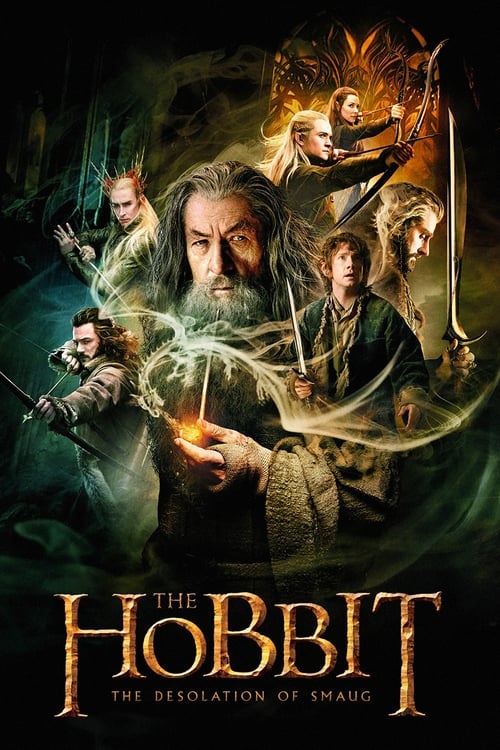

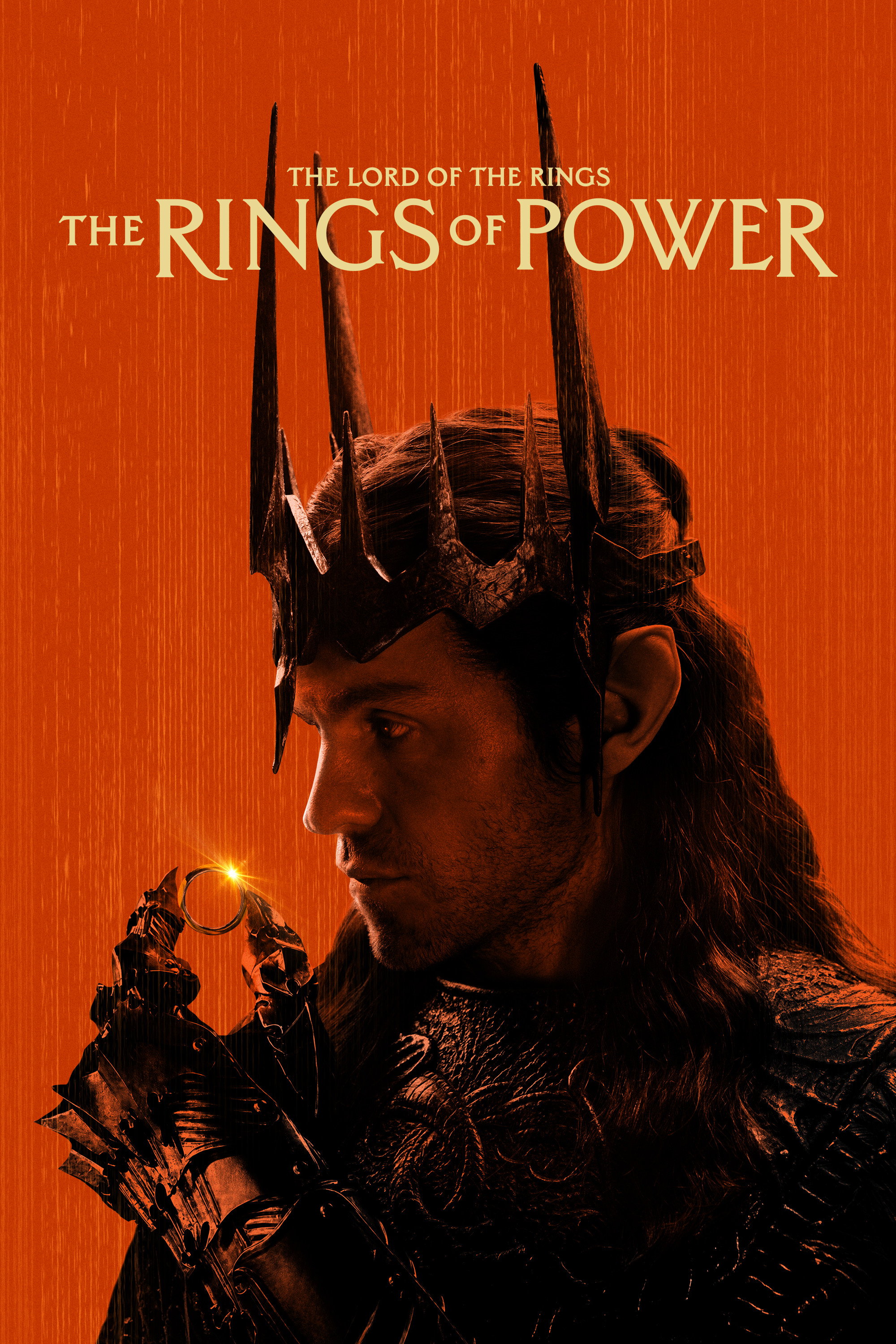

The Battle of the Five Armies concludes The Hobbit trilogy, turning the quest for Erebor into a conflict among dwarves, elves, men, orcs, and the legacy of dragon treasure. It connects Bilbo's smaller journey with the political and military tensions that shape the North of Middle-earth. Its placement helps viewers see how the road to The Lord of the Rings is built through alliances, pride, and the return of darker powers.
GALLERY


VIDEOS